
Soy, Beeswax & Coconut Wax Compared
Melt points, fragrance retention, burn characteristics, and sourcing notes for the three most common natural waxes used in handmade candles.
Read guide →Detailed notes on soy, beeswax, and coconut wax behaviour, wick sizing for different vessel diameters, and fragrance load calculation — written for craft makers in Poland and Central Europe.
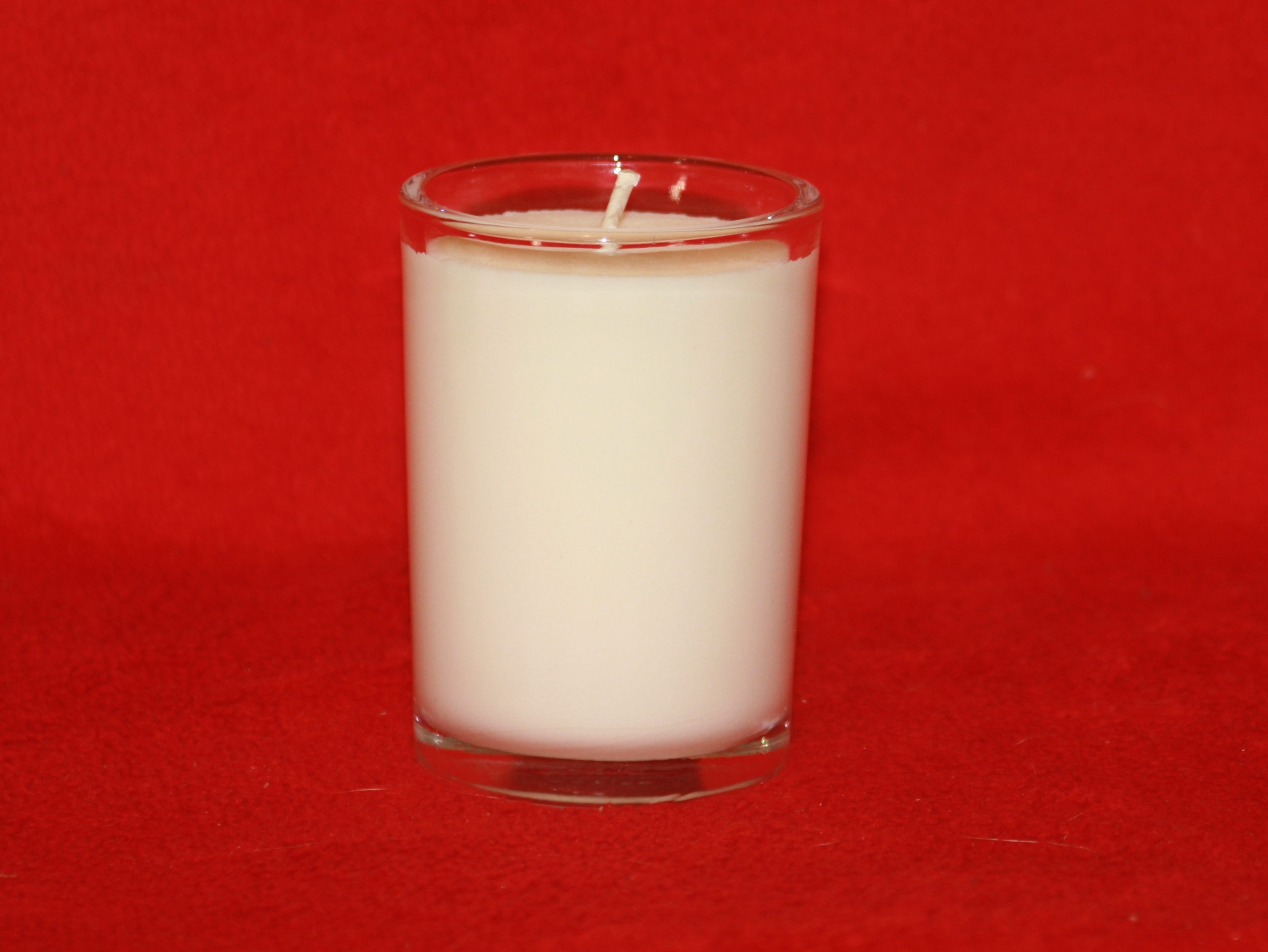
Each article covers one aspect of candle making in depth — from raw material selection to finished burn quality.
Melt points, fragrance retention, burn characteristics, and sourcing notes for the three most common natural waxes used in handmade candles.
Read guide →
How wick diameter, weave type, and wax density interact. Includes a reference table for common vessel sizes and wax combinations.
Read guide →
Fragrance load percentages, flash point considerations, and how to build layered scent profiles using top, middle, and base notes.
Read guide →Soy wax crystallises differently from beeswax. Coconut wax has a lower melt point. Each choice affects how fragrance is released, how the surface looks after cooling, and how long the candle burns per gram of wax.
An undersized wick tunnels through the wax. An oversized one produces soot and uneven melt pools. Getting the diameter right for the vessel and wax type is the single most common adjustment in candle testing.
Fragrance oils have different flash points and dispersion rates. Adding oil at too high a temperature breaks the scent. Adding too little produces a candle that smells correct unlit but weak when burning.
Poland has a growing community of independent candle makers, concentrated around Warsaw, Kraków, and Wrocław. Small producers typically source soy wax from European distributors and beeswax from local apiaries. Coconut wax arrives mainly via online wholesale suppliers.
Polish craft markets (targi rzemieślnicze) have increased demand for natural-wax candles over paraffin alternatives, with buyers paying attention to ingredient origin and burn cleanliness. This guide focuses on materials and methods relevant to that production context.
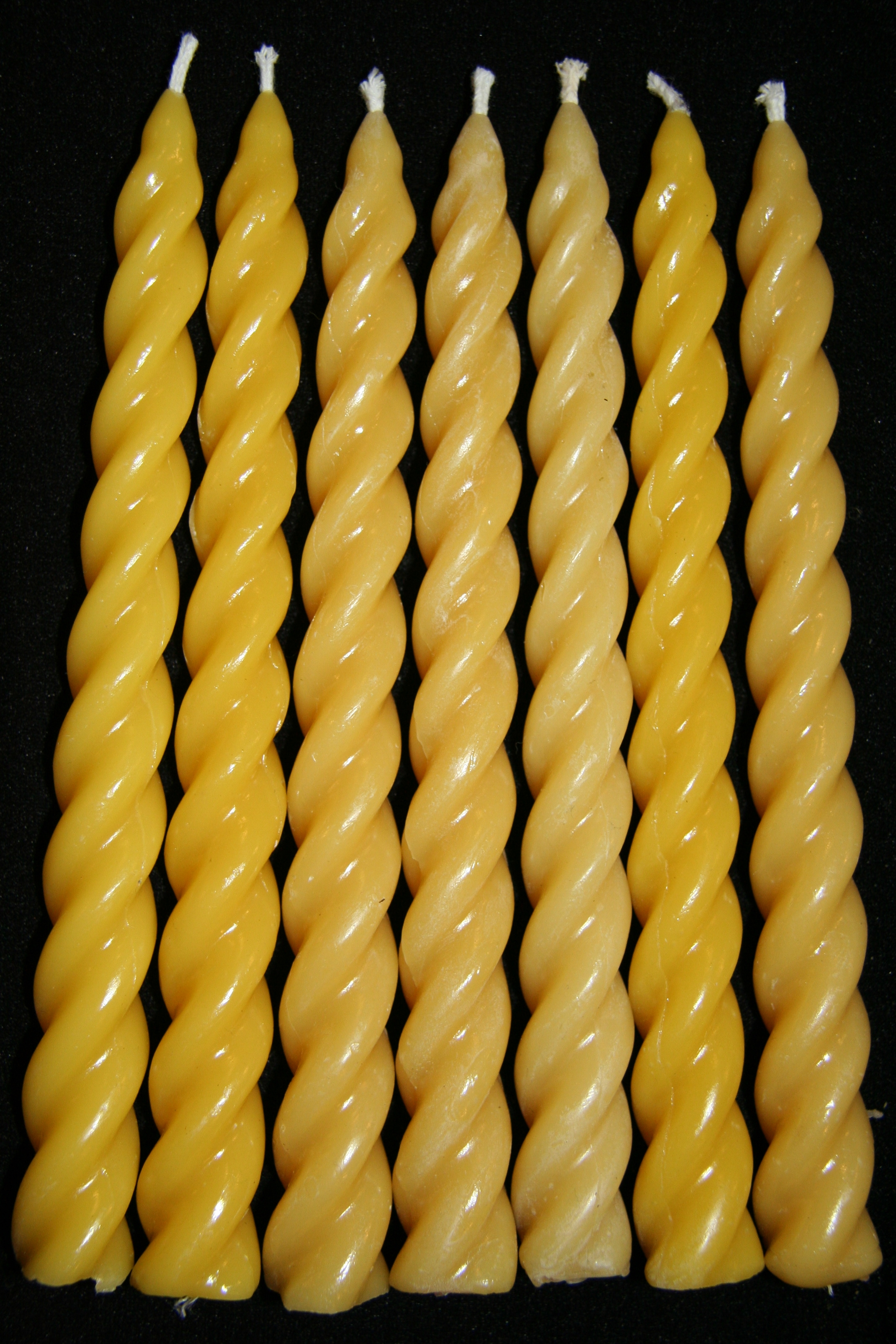
Use the form below for questions about the content or to report factual errors.